
MaIntainance Related Services
MAINTENANCE RELATEDSERVICES
❑ MOISTURE BLOCKER | ❑ CONCRETE SPALLING | ❑ CRYSTALLISE CEMENT GROUTING INJECTION | ❑ WATER PRESSURE GAUGE | ❑ BLOCKAGE CLEANING | ❑ REPAIR WORKS – BOX UP | ❑ REPAIR WORKS – GUTTER | ❑ REPAIR WORKS – METAL DECK ROOFING
MOISTUREBLOCKER
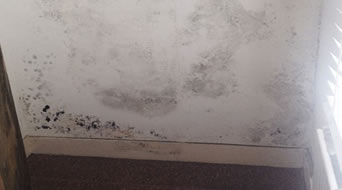
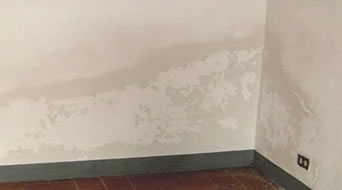
IDENTIFYING MOISTURE IN WALLS
– Damp patches
– Blistering
– Peeling paint
– Crumbling
– Discoloration
– Cracking.
MOISTUREBLOCKER
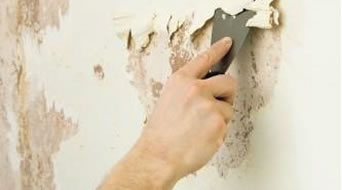
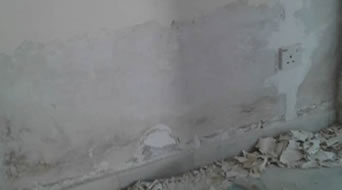
SURFACE PREPARATION
Substrate surface must be free of surface contaminants (dirt, grease, algae / fungus, infestations), foreign matter and loose flaking paint.
– Remove all existing paint by using paint remover at affected area.
– All crack to be rectified by ‘V’ cutting and apply PU / Sealant including cleaning
MOISTUREBLOCKER
SURFACE TREATMENT
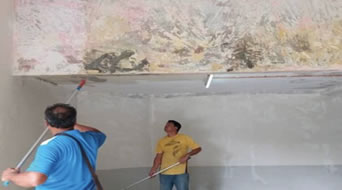
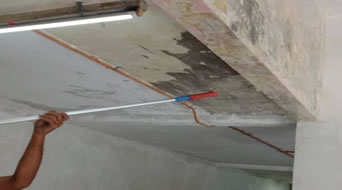
– Apply Roxsil Moisture Blocker over affected area and allow it to dry completely (overnight if possible).
MOISTUREBLOCKER
SURFACE TREATMENT
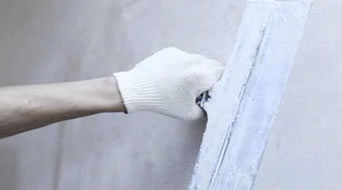
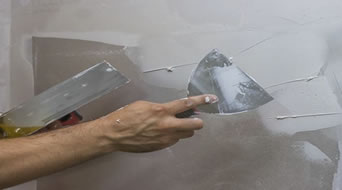
– Levelling the wall by using skim coat.
MOISTUREBLOCKER
SURFACE TREATMENT
– Apply one coat primer and two coats paint to finish.
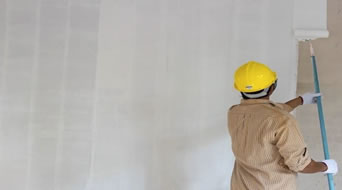
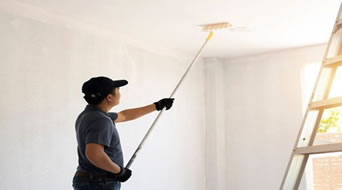
CONCRETESPALLING
Steps
- To remove all existing paint by using paint remover at affected area.
- Remove the concrete at the spalled areas to expose the corroded steel bars.
- Scrape and clean the exposed steel bars and use wire brush to remove any rust.
- To apply 3 in 1 Rust Killer to the steel bars to kill all the rust.
Apply a bonding agent to the affected surface to ensure proper adhesion. - Patch the hacked area using polymer modified cement mortar.
To apply 1 coat of moisure blocker (Case by case basis). - To prepare and apply skim coat to make good all uneven surface at affected area.
- Paint over the patch area to match the rest of your ceiling.
BLOCKAGECLEARANCE
Steps
- To use downpipe inspection camera to scan and Identify of type of blockages
- To open up downpipe box up at suspect affected area
- To use the right equipment to clear the blockage (Water Jet , Drain Snake Ridgid)
- To use inspection camera to scan and ensure the blockage fully clear.
WATER PRESSUREGAUGE
Detect Internal Pipe Water leaks – By using Water Pressure Gauge
- A Water Pressure Gauge is a measuring device used in plumbing to measure the pressure of water within a system of pipes. The device consists of a dial indicator, a short piece of pipe or hose and a threaded nut so that you can fix it to a tap.
- Leaks pipe water can cause serious damage, especially where you can’t see them. Many leaks can also be of a small enough quantity that you would never notice them on your water bill. Small leaks can become big ones (big expensive ones!). In the photo to the left, the pipe failed from the inside, corroded
completely through, and formed a leak, the water eroding the pipe to form an even larger hole. - From MAXIM we check for leaks by using Water Pressure Gauge. A gauge is attached to a hose bibb on the house of the shut-off valve. Then, the valve is closed to trap pressure in the system. If there are no leaks the system will hold the pressure 1 to 2 hours and if there is leak the Water Pressure Gauge meter will indicate movement.
- An important aspect for this type of test to work is that the shut-off valve makes a good solid seal. If you have a ball valve like this one, it’s sure to meet that requirement. These valves turn 90° to shut off and often have a lever handle as shown.
- However, if your water shut off is a gate valve (as shown to the left), then a tight seal is not guaranteed. Test results that appear to show “no leaks” may actually not be the case. If the valve leaks close to the amount that the inside pipes are leaking then you will not be able to detect a leak in this case.
Maintenance Related Gallery
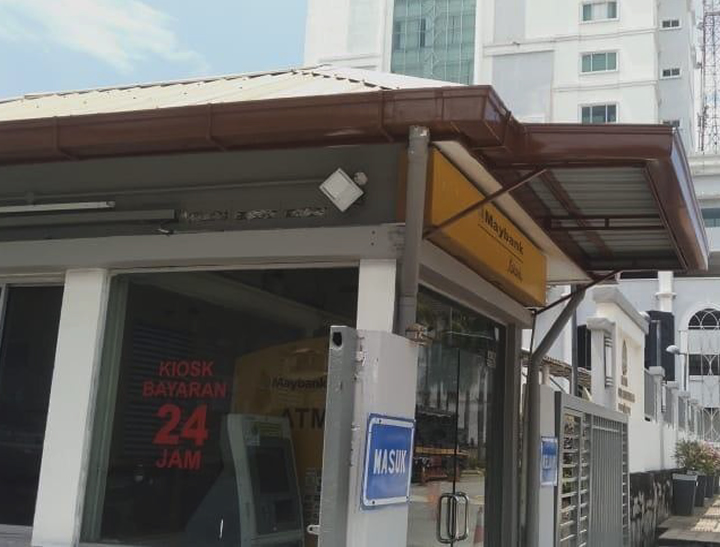
MENARA MAJLIS PERBANDARAN KAJANG
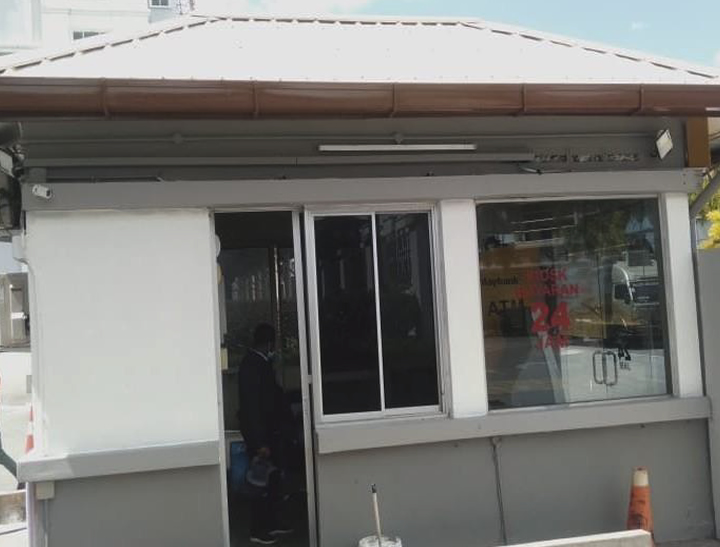
MENARA MAJLIS PERBANDARAN KAJANG
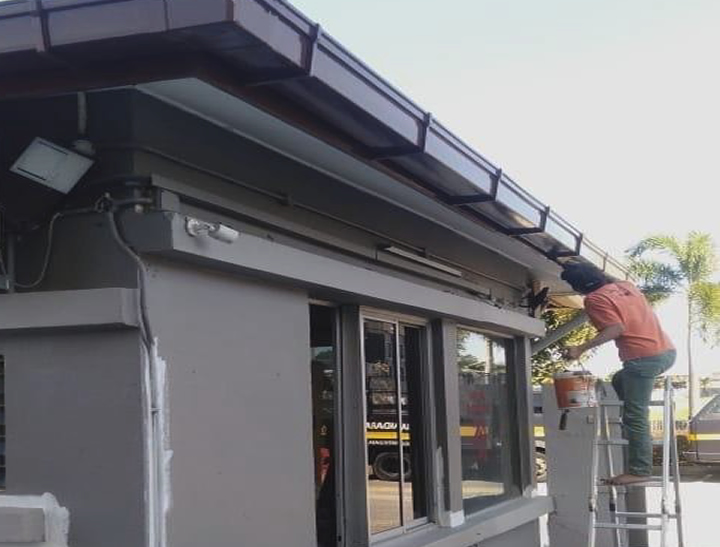
MENARA MAJLIS PERBANDARAN KAJANG
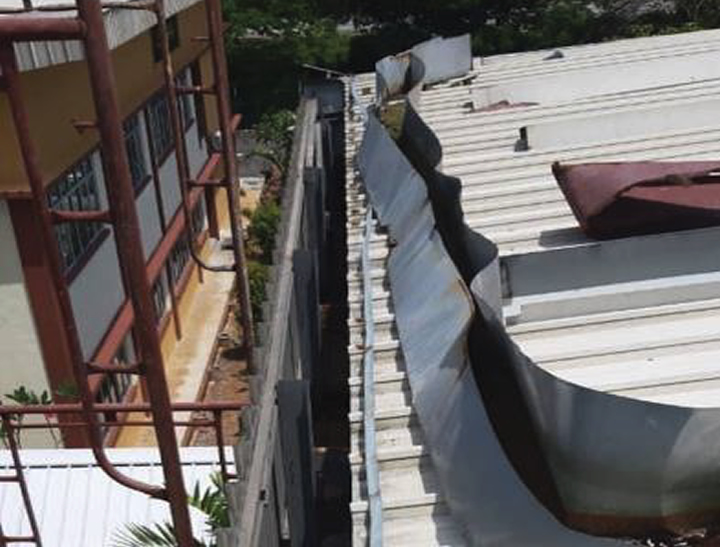
KOLEJ KOMUNITI MASJID TANAH, MELAKA
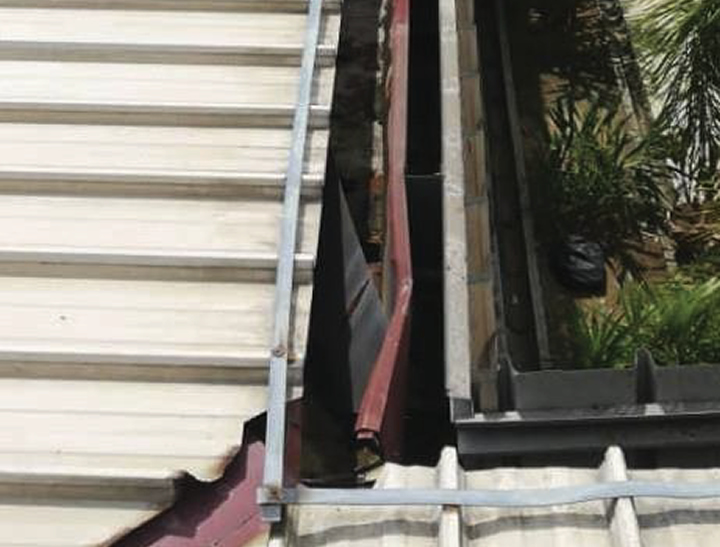
KOLEJ KOMUNITI MASJID TANAH, MELAKA

KOLEJ KOMUNITI MASJID TANAH, MELAKA
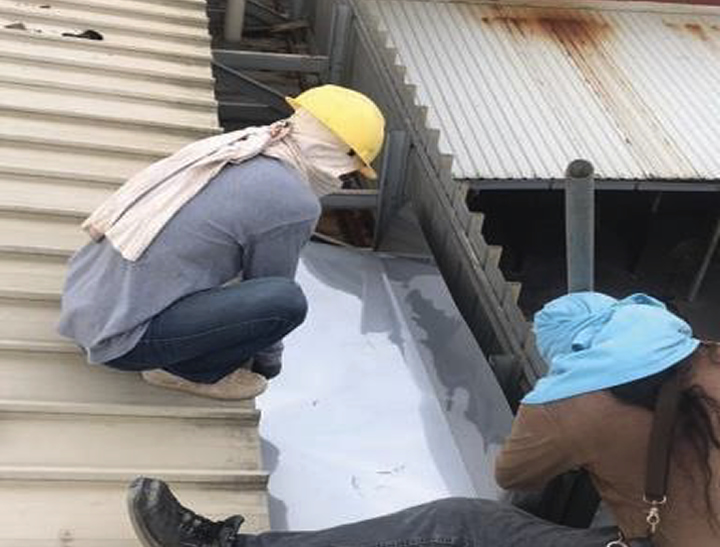
KOLEJ KOMUNITI MASJID TANAH, MELAKA
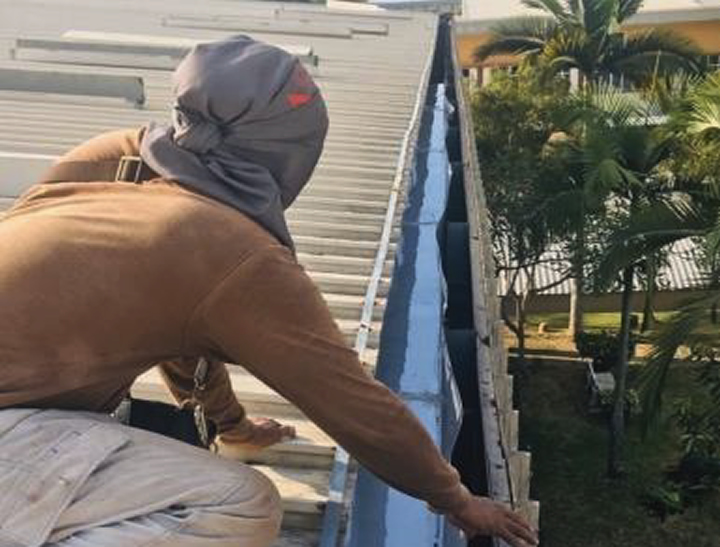
KOLEJ KOMUNITI MASJID TANAH, MELAKA
